
On a coastal trail in eastern Australia, a grey kangaroo is the large, heavy-set animal that stands tall and moves in long bounds, while a wallaby is smaller, often with a more upright posture and a longer tail relative to its body. Wombat burrows show up as a mound of excavated soil beside a tunnel mouth, usually near a creek bank or a slope, with square-ish droppings scattered on logs and rocks nearby. Kookaburras give a loud laughing chorus, black cockatoos a drawn-out wailing call, and rosellas a sharp metallic chatter, all of which you can learn to place by ear before you see the bird.
How can I tell a grey kangaroo from a wallaby on a trail?
The quickest field mark is size and build. An adult eastern grey kangaroo stands around 1.5 metres or more when upright and carries a heavy chest and thick hindquarters. A wallaby, such as the red-necked or swamp wallaby common on the South Coast, is usually under a metre tall at the head and looks lighter through the shoulders. When both are moving, the kangaroo’s bound is longer and flatter, and it tends to hold its head high; a wallaby often keeps its head lower and its back more rounded.
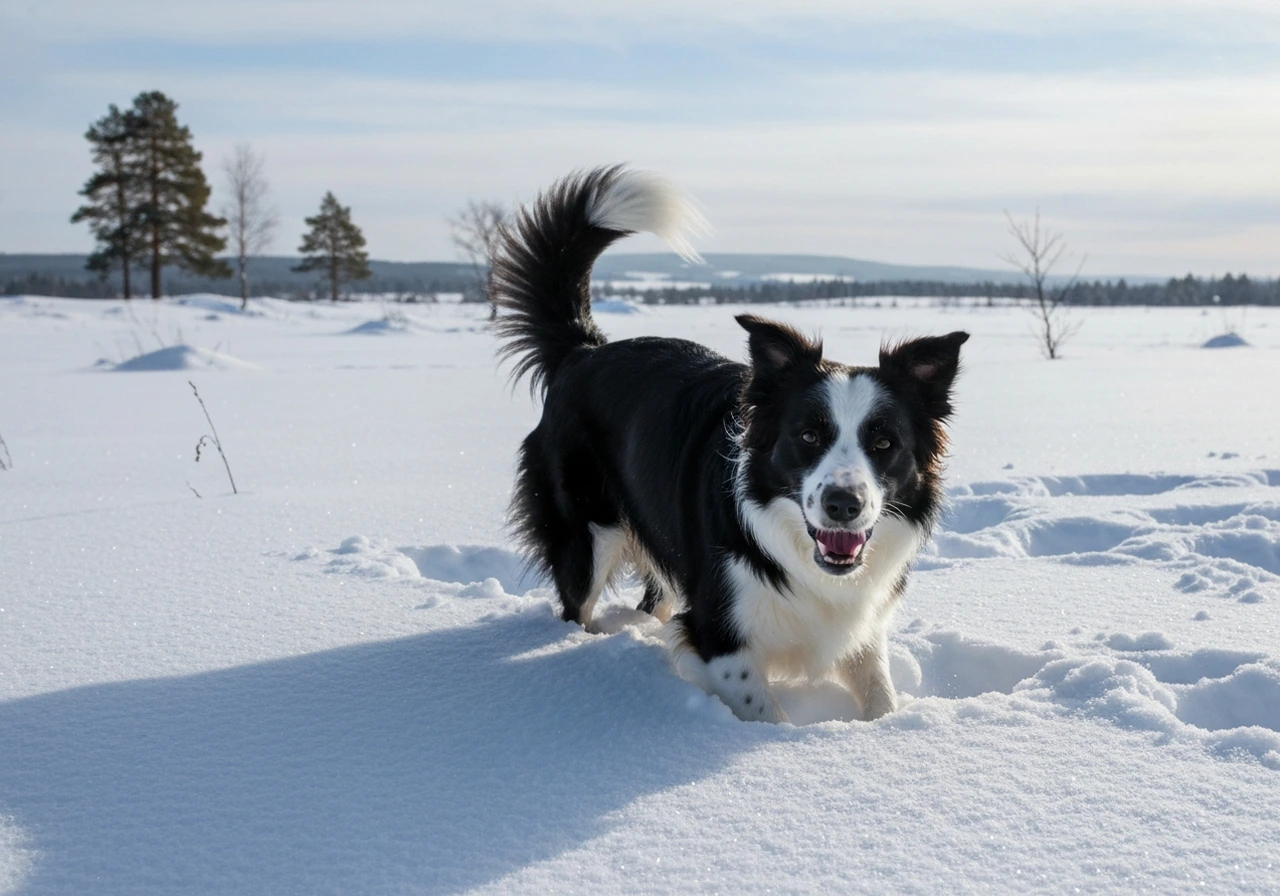
Habitat helps too. Grey kangaroos prefer open grassy areas, paddock edges and wide clearings where they can see a long way. Wallabies are more often in dense scrub, along overgrown tracks and in the shaded understorey beside a creek. If you are walking a dog on a lead and something crashes away through thick bush rather than bounding across a paddock, it is more likely a wallaby.
A third clue is the tail. A grey kangaroo’s tail is thick at the base and tapers, and it is used as a fifth limb when the animal moves slowly. A wallaby’s tail is proportionally longer and often carried more stiffly. If you want a structured way to compare the two, the wildlife guide at kangaroo wallaby differences sets out the coastal species side by side, which is useful before a first walk in an unfamiliar reserve.
Keep your dog close and quiet in these moments. A startled kangaroo can move fast and unpredictably, and a dog that gives chase can end up in front of a car or lost in dense bush.
How do I recognise wombat burrows, droppings and koala signs?
A wombat burrow is hard to miss once you know the shape. Look for a rounded tunnel entrance, often 30 to 40 centimetres across, set into a bank, a creek edge or the base of a slope. In front of it there is usually a fan of fresh soil, and often a worn pad where the animal has walked in and out. Several entrances may belong to one system, so a single mound of dirt does not mean a single animal.
Wombat droppings are the giveaway for many walkers. They are roughly cube-shaped, dark and dry, and they are usually left on top of logs, rocks or tussocks rather than in the open. That placement is thought to help scent-mark territory. If you find a scatter of these on a fallen log beside a burrow, you are almost certainly in wombat country.
Koala signs are quieter. Look for scratch marks on the trunks of preferred feed trees, especially manna gums and grey gums, and for a smooth, worn patch where an animal regularly climbs. Koala droppings are small, dark and pellet-like, often found at the base of a tree rather than spread along a track. On the South Coast, koalas are patchily distributed, so a sighting is a bonus rather than an expectation.
Give all of these a wide berth. Wombats can be defensive if cornered, and a dog that puts its head into a burrow risks a bite to the face. Keep the lead short and move on.
Which calls and colours identify kookaburras, rosellas and black cockatoos?
Kookaburras are the easiest to place by ear. The laughing call starts as a low chuckle and builds into a full chorus, often at dawn and again in the late afternoon. You will usually hear several birds answering each other. Visually, a laughing kookaburra is a stout, pale bird with a heavy dark bill, brown wings and a whitish head and belly, often perched on a dead branch or a fence line watching the ground for prey.
Rosellas are smaller and more colourful. An eastern rosella has a red head and breast, white cheek patches, yellow-green back and blue shoulders and tail. A crimson rosella is mostly deep red with blue cheeks, wings and tail. Both give a sharp, metallic chatter, often in flight, and they feed in pairs or small groups on seeds and fruit. If you hear a fast, ringing call overhead and see a flash of red and blue, that is likely a rosella.
Black cockatoos are the loudest and the most distinctive in silhouette. The yellow-tailed black cockatoo is a large, dark bird with a long tail and a pale yellow panel on the tail, and its call is a drawn-out, wailing note that carries a long way. The glossy black cockatoo is smaller and quieter, tied closely to she-oak stands. Both fly with slow, deep wingbeats, so a big dark bird crossing a coastal sky with a slow rhythm is worth a second look.
What should I do with my dog while I am reading these signs?
Most of this reading happens at a distance, and that is the point. A dog on a short lead can stand quietly while you check a burrow or listen for a call. A dog off lead in the same place will usually end the observation within seconds, either by chasing or by scenting and moving on.
Practical habits help. Walk early or late when wildlife is active but other people are fewer. Keep to formed tracks where you can, and step off only where it is safe. Carry water and a spare lead. If you see a kangaroo or wallaby with a young at foot, give it more room than usual, because a mother with a joey is less tolerant of approach.
If you find an injured animal, do not handle it yourself unless you are trained and permitted. Note the location, keep your dog away and call the relevant wildlife rescue line for the area. Driving with an injured animal in the car is a separate skill, and it is best left to a licensed rehabilitator.
Why does this matter on a coastal walk?
Reading wildlife signs changes the walk from a route into a place. You start to notice which creek banks have burrows, which trees carry scratch marks, and which stretch of sky the black cockatoos cross at dusk. For a family with children, that is often the part of the day they remember.
It also keeps everyone safer. A dog that is managed around wildlife is a dog that is less likely to be kicked, bitten or lost, and wildlife that is not chased stays in the areas where people can keep watching it. None of this replaces a veterinarian’s advice on your dog’s health, and none of it replaces the rules of the reserve you are walking in. It simply adds a layer of attention to a walk you were already taking.
Start with one question on your next walk: is that animal a kangaroo or a wallaby? Once you can answer it reliably, the burrows, droppings and calls tend to follow.