
The Day Everything Changed
March 12, 2019. I remember the date because it’s seared into my memory like a brand. Cooper had been with me for eight months by then, one of the most gentle, intelligent souls I’d ever had the privilege of knowing.
He’d come to Golden Years Collie Rescue as a surrender. His family - an elderly couple who loved him fiercely - had to move into assisted living that didn’t allow dogs. They cried when they handed me his leash. I promised them I’d take care of him.
I thought I was keeping that promise.
Just a Skin Condition
Cooper developed some patchy hair loss on his hindquarters. Nothing alarming. The kind of thing you see in senior dogs sometimes. I took him to Dr. Martinez, a vet I’d worked with for years. A good vet. Thorough. Caring.
She diagnosed it as a mild case of demodectic mange. Common enough. Treatable. She prescribed Ivermectin, a standard anti-parasitic medication used for exactly this condition. What I didn’t know then - and what haunts me still - is that safer alternatives existed that would have treated the mange without any risk to an MDR1-affected dog.
“He should clear up in a few weeks,” she said, handing me the pills. “Let me know if you notice any changes.”
I noticed changes, alright. Just not the kind either of us expected.
The First Signs
That evening, Cooper seemed a little off. Not eating with his usual enthusiasm. A little quieter than normal. I chalked it up to the stress of the vet visit. Collies are sensitive. They pick up on everything.
By the next morning, I knew something was wrong.
He was drooling. Not just a little - long strings of saliva hanging from his mouth. His eyes were glassy, unfocused. When I called his name, he looked toward me but didn’t seem to really see me. I know now that these are textbook early warning signs of drug toxicity - the kind described in our emergency drug reaction guide - but back then, I had no framework for what I was seeing.
I called the vet clinic immediately. “Bring him in,” they said.
Racing Against a Clock We Didn’t Know Existed
Dr. Martinez was alarmed. Cooper’s pupils were dilated. His coordination was gone - he stumbled when he tried to walk, like a drunk man navigating a ship’s deck in a storm. His heart rate was dangerously low.
“This looks like Ivermectin toxicity,” she said, and I could see the confusion on her face. “But that shouldn’t happen at the dose I prescribed…”
That’s when she asked me: “Has Cooper ever been tested for MDR1?”
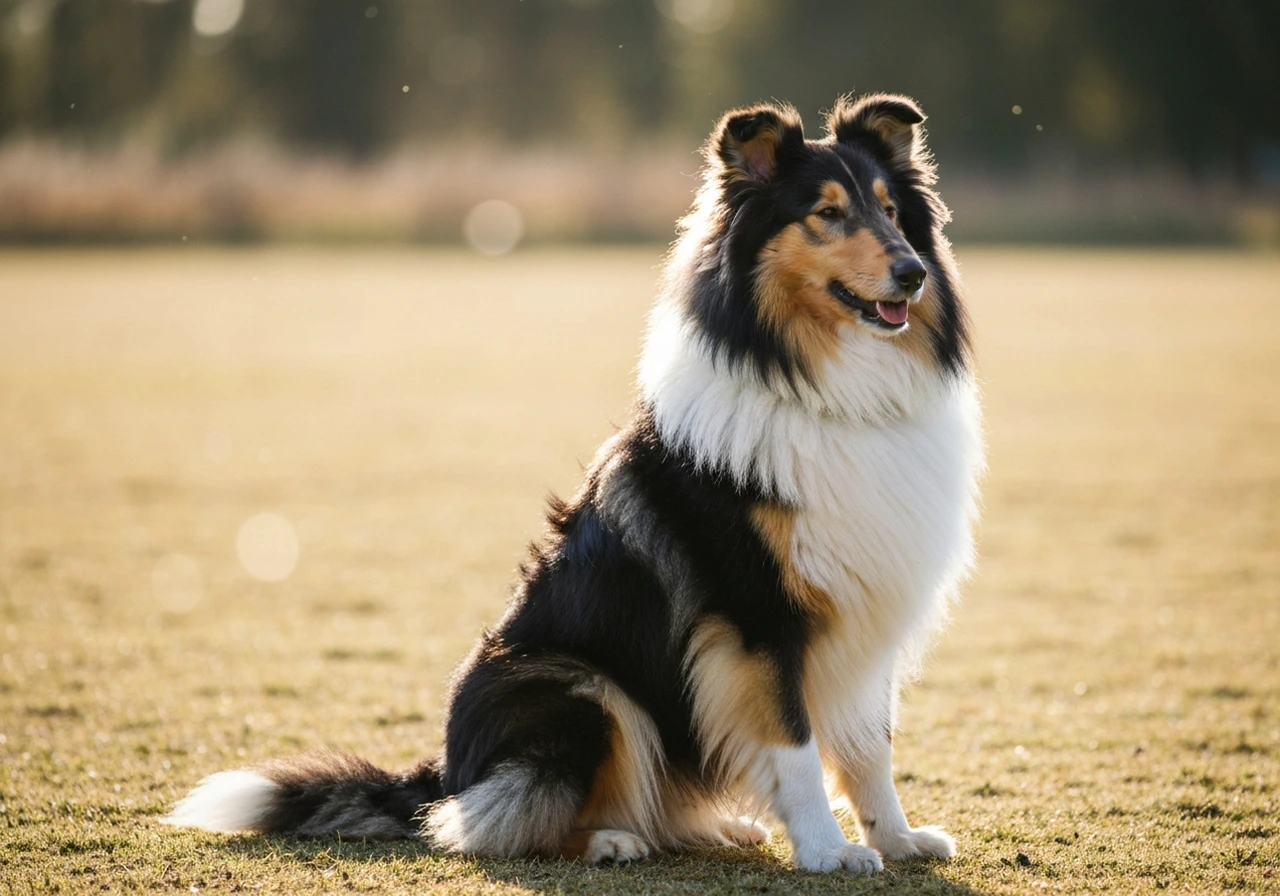
I’d been rescuing Collies for almost two decades at that point. I’d placed over 300 dogs in loving homes. I’d dealt with epilepsy, hip dysplasia, Collie nose, bloat, and a dozen other breed-specific conditions.
I had no idea what MDR1 was.
Learning Too Late
MDR1 stands for Multi-Drug Resistance 1. It’s a gene mutation that affects how certain dogs process medications. Dogs with this mutation can’t pump certain drugs out of their brains the way normal dogs can. Drugs that should be safe become toxic. Doses that would be fine for one dog can kill another. For more on what veterinarians often miss about this condition, see our detailed article.
Collies have one of the highest rates of this mutation of any breed. Some studies suggest up to 70% of Rough and Smooth Collies carry at least one copy of the mutant gene. Resources like Ivermectin Sensitivity provide detailed information on how this drug specifically affects herding breeds.
I’d been working with this breed for 18 years. I’d never heard of it.
The Longest Hours
Cooper was hospitalized. They tried everything - IV fluids, activated charcoal, supportive care. There’s no antidote for Ivermectin toxicity. You can only try to keep the dog alive while their body clears the drug.
But Cooper’s body couldn’t clear it. That’s what the MDR1 mutation does - it traps the drug where it can do the most damage.
I sat with him through that night. Stroked his beautiful sable coat. Told him about his old family, how they loved him, how I loved him, how this wasn’t supposed to happen.
His breathing got slower. More labored. His seizures got worse despite the medication.
At 3:47 AM on March 14, 2019, Cooper died in my arms.
The Guilt That Follows
For months afterward, I couldn’t shake the guilt. I was supposed to be the expert. I was supposed to know better. Every dog I’d ever placed - had I unknowingly put them at risk? Every vet visit I’d accompanied over the years - had I missed opportunities to save lives?
I called Dr. Martinez a few days after Cooper died. I needed her to know I didn’t blame her. She cried on the phone. She’d been up nights too, replaying the appointment, wondering what she’d missed.
“I learned about MDR1 in vet school,” she said. “One lecture. Years ago. It never came up again. I honestly forgot it existed.”
That’s when I realized: this wasn’t just my failure or her failure. This was a systemic failure. A breed-specific time bomb that nobody was talking about.
Why I’m Telling This Story
I share Cooper’s story because silence kills dogs.
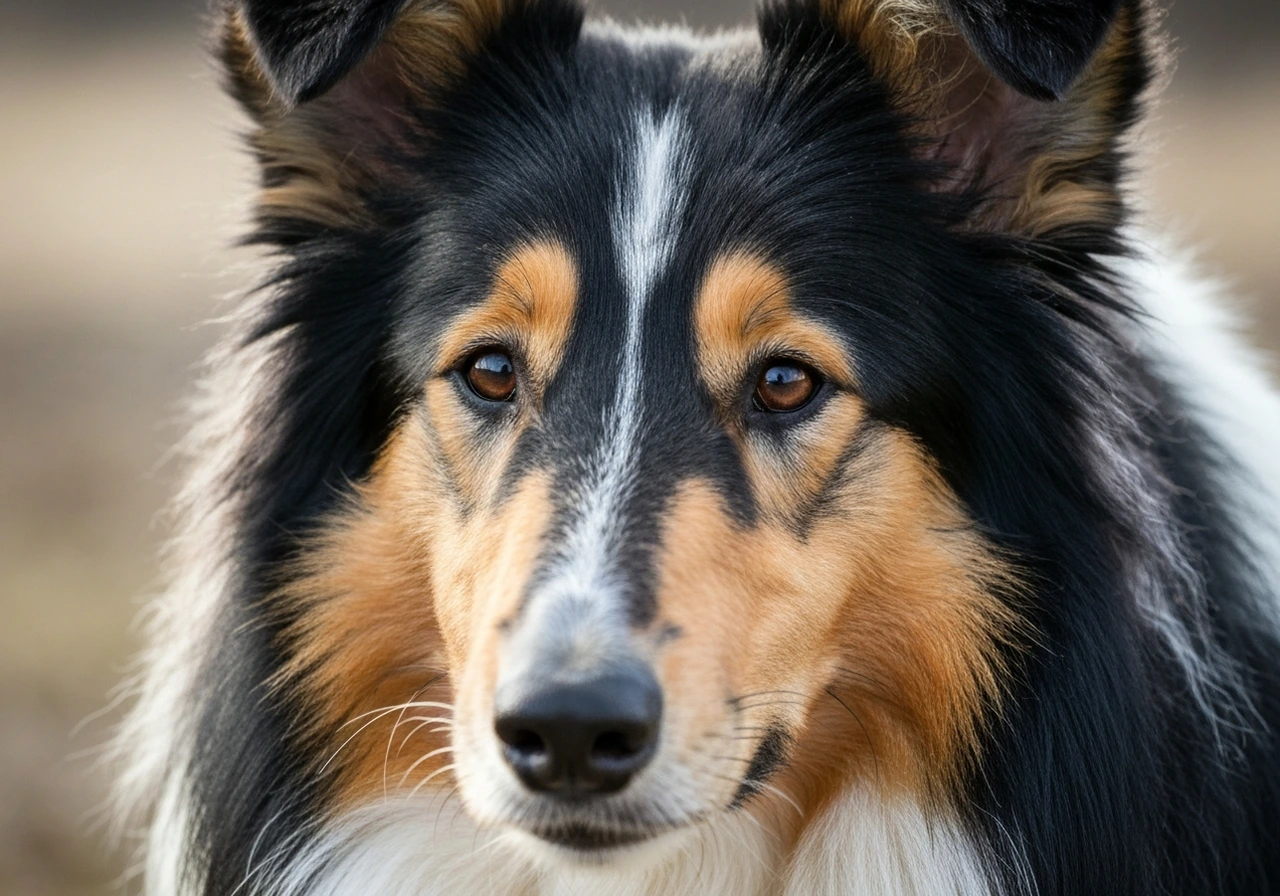
If I’d known about MDR1, I would have had Cooper tested the day he came into my rescue. I would have had a bright red note in his file: “DO NOT PRESCRIBE IVERMECTIN.” I would have told any vet who touched him.
If Dr. Martinez had been reminded about MDR1 in continuing education, she might have paused before prescribing. She might have asked about genetic testing. She might have chosen a different medication.
If the veterinary community prioritized this issue, MDR1 testing might be standard for herding breeds, the way we test for hip dysplasia in German Shepherds or heart conditions in Cavaliers.
Cooper’s death didn’t have to happen. That’s the part that still makes me angry, three years later. It didn’t have to happen, and it happens every single day to dogs just like him.
What I Wish I’d Known
If you’re reading this and you have a Collie, Australian Shepherd, Sheltie, or any herding breed mix - please learn from my loss:
Get your dog tested for MDR1. It’s a simple cheek swab. It costs less than $100. The results are good for your dog’s entire life. Our complete MDR1 testing guide walks you through every option - where to order, how to collect the swab, and what your results actually mean. Our checklist includes additional resources, and Washington State University’s veterinary pharmacology lab offers the gold standard test.
Tell every vet who touches your dog. Put it in their file. Remind them at every visit. Put a tag on your dog’s collar. Tattoo it on your forehead if you have to.
Don’t assume your vet knows. They probably learned about MDR1 once, years ago, in a single lecture. They might not remember. They might never have learned at all.
Join our community. Connect with others who understand. Share your story if you’ve been through this. Learn from our collective experience so your dog doesn’t become another cautionary tale. Our community stories page has testimonials from other families, and our support resources can help you find the help you need.
In Memory
Cooper deserved better than what our medical system gave him. He trusted us - his old family, his rescue, his vet, me. We all failed him because of a gap in knowledge that should have been filled decades ago.
I can’t bring Cooper back. But I can make sure his death means something. I can share his story, and yours, and build a community that demands better.
For Cooper. For all of them.
“Three months after reading Diane’s story, my vet tried to prescribe Ivermectin for my Aussie’s skin infection. I stopped her. I told her about MDR1. She looked it up, thanked me, and prescribed something else. That dog is still alive because Diane was brave enough to share her pain.” - Mark T., Oregon
If you’ve lost a dog to a drug reaction, or if you have questions about MDR1, please reach out. We’re here because we have to be. We share because someone has to.