
The Test I Wish I’d Known About
There’s a test that costs about as much as a bag of premium dog food. It takes five minutes to administer. The results last your dog’s entire lifetime. And it could be the difference between your dog living a full, healthy life or dying on an emergency room table from a medication that should have been safe.
I didn’t know this test existed when Cooper was alive. If I had, he’d probably still be here. That’s a sentence I’ve written a hundred times, and it still makes my chest tight every time.
The MDR1 genetic test is the single most important thing you can do for your herding breed. More important than the best food, the fanciest toys, the most expensive training. None of that matters if a routine vet visit kills your dog because nobody knew about a mutation hiding in their DNA.
What MDR1 Testing Actually Tests
Let me break this down in plain language, the way I wish someone had explained it to me.
Every cell in your dog’s body has genes - the biological instructions that make them who they are. One of those genes is called ABCB1, formerly known as MDR1 (Multi-Drug Resistance 1). This gene produces a protein called P-glycoprotein, which acts like a bouncer at a nightclub. Its job is to keep certain substances - including many medications - out of the brain.
When this gene works properly, drugs go where they’re supposed to go, do what they’re supposed to do, and get escorted out when they’re done.
When this gene is mutated, the bouncer doesn’t show up. Drugs flood into the brain unchecked. Doses that would be perfectly safe for a dog with a working gene become toxic - sometimes fatally - for a dog without one.
The MDR1 test checks whether your dog has this mutation. That’s it. One gene. One mutation. One answer that changes everything.
The Three Possible Results
When you get your dog’s MDR1 test results back, they’ll show one of three genotypes:
Normal/Normal (MDR1 +/+)
Your dog inherited two normal copies of the gene - one from each parent. The P-glycoprotein is functioning properly. Standard medication doses should be safe.
What it means practically: You can breathe easier, but don’t stop being informed. Drug sensitivities can occur for other reasons, and it’s always good practice to discuss any medication with your vet.
Approximately 25-30% of Collies test Normal/Normal.
Normal/Mutant (MDR1 +/-)
Your dog inherited one normal copy and one mutant copy. They produce some P-glycoprotein, but less than a Normal/Normal dog. They have increased sensitivity to certain medications.
What it means practically: Your dog is at risk. Many owners and even some vets assume that having one normal copy means the dog is safe. This is dangerously wrong. Normal/Mutant dogs can and do have serious reactions, especially at higher doses. One family in our community stories lost their dog Bella specifically because they were told one copy wasn’t a concern.
Approximately 40-45% of Collies test Normal/Mutant.
Mutant/Mutant (MDR1 -/-)
Your dog inherited two mutant copies - one from each parent. They produce little to no functional P-glycoprotein. They are at the highest risk for severe drug reactions.
What it means practically: Maximum caution with all medications. Every vet visit requires a conversation about MDR1. Every prescription must be checked against the danger list. No exceptions, ever.
Approximately 25-35% of Collies test Mutant/Mutant.
Where to Get Tested
Several reputable laboratories offer MDR1 testing. Here’s what you need to know about each option.
Washington State University Veterinary Clinical Pharmacology Lab
This is the gold standard. WSU pioneered the discovery of the MDR1 mutation in dogs and has been testing for it longer than anyone else.
- Cost: Approximately $75 for the MDR1-specific test
- Sample type: Cheek swab (you can do it at home)
- Turnaround: Typically 2-3 weeks
- Website: vcpl.vetmed.wsu.edu
- Why choose WSU: Most experienced lab, research-grade accuracy, your fee supports ongoing MDR1 research
Embark Veterinary
A popular consumer DNA test that includes MDR1 as part of a broader breed and health panel.
- Cost: $159-$249 depending on the panel
- Sample type: Cheek swab (home kit)
- Turnaround: 3-5 weeks
- Why choose Embark: You also get breed identification, 200+ health conditions, and trait analysis. Good value if you want the full picture.
Wisdom Panel
Another comprehensive DNA test that includes MDR1 screening.
- Cost: $99-$159 depending on the panel
- Sample type: Cheek swab (home kit)
- Turnaround: 2-4 weeks
- Why choose Wisdom Panel: Affordable entry point for comprehensive screening. Tests for MDR1 along with many other genetic conditions.
Through Your Veterinarian
Many vets can order MDR1 testing directly.
- Cost: Varies (typically $50-$150 plus office visit)
- Sample type: Usually a blood draw, sometimes cheek swab
- Turnaround: Varies by lab used
- Why choose your vet: Results go directly into your dog’s medical file. Your vet can explain results and immediately update their protocols.
How to Collect a Cheek Swab at Home
If you order a home test kit from WSU, Embark, or Wisdom Panel, you’ll need to collect a cheek swab. It’s simpler than you think.
Cheek Swab Steps
Most dogs tolerate this well. Some think it’s a game. Cooper would have sat there politely, tilted his head, and let me swab his cheek without complaint. He was always patient like that.
What to Do With Your Results
Getting the test is only step one. What you do with the results is what actually protects your dog.
Immediately After Getting Results
Call your vet’s office. Ask them to add the MDR1 status to your dog’s permanent file. Ask them to put it somewhere prominent - not buried in a notes field that nobody reads.
Get confirmation. At your next visit, verify the information is actually in the file. I’ve heard from families who called it in only to find it was never recorded.
Update your emergency information. Add MDR1 status to the emergency card in your wallet, the contact info on your phone, and any medical alert tags your dog wears.
Tell your household. Everyone who might take your dog to the vet needs to know this information. Spouse, partner, kids, dog sitter, dog walker, boarding facility.
If Your Dog Is Normal/Mutant or Mutant/Mutant
Review our vet visit checklist and make it part of every veterinary appointment. Familiarize yourself with safer drug alternatives for herding breeds so you know what to ask for when a dangerous medication is suggested. Keep the list of dangerous medications accessible at all times. Before any medication is prescribed, ask: “Is this safe for an MDR1-affected dog?” And make sure you know what to do in the first 60 minutes if a reaction ever occurs despite your precautions.
Don't Wait for a Vet Visit
If your herding breed isn't tested, order a kit today. Not tomorrow. Not next week. Today. The medication that triggers a fatal reaction could be prescribed at your dog's next routine checkup. You won't get a warning.
Why Rescue Dogs Need Testing Most
This is something I think about constantly, given my work with Golden Years Collie Rescue.
Rescue dogs often come with incomplete or no medical histories. You might know they’re “part Collie” or “some kind of herding mix,” but you don’t know their parents, their siblings, or their genetic makeup. You don’t know if they’ve ever been given a dangerous medication and simply got lucky with the dose.
Every herding breed or herding mix that comes through a rescue should be MDR1-tested before placement. Period. It should be as standard as a heartworm test or a spay/neuter. The cost is minimal compared to the risk. And the list of affected breeds is far longer than most people realize - our guide to every breed that carries the MDR1 mutation covers prevalence rates from Collies and Aussies to German Shepherds, Longhaired Whippets, and mixed breeds with unknown ancestry.
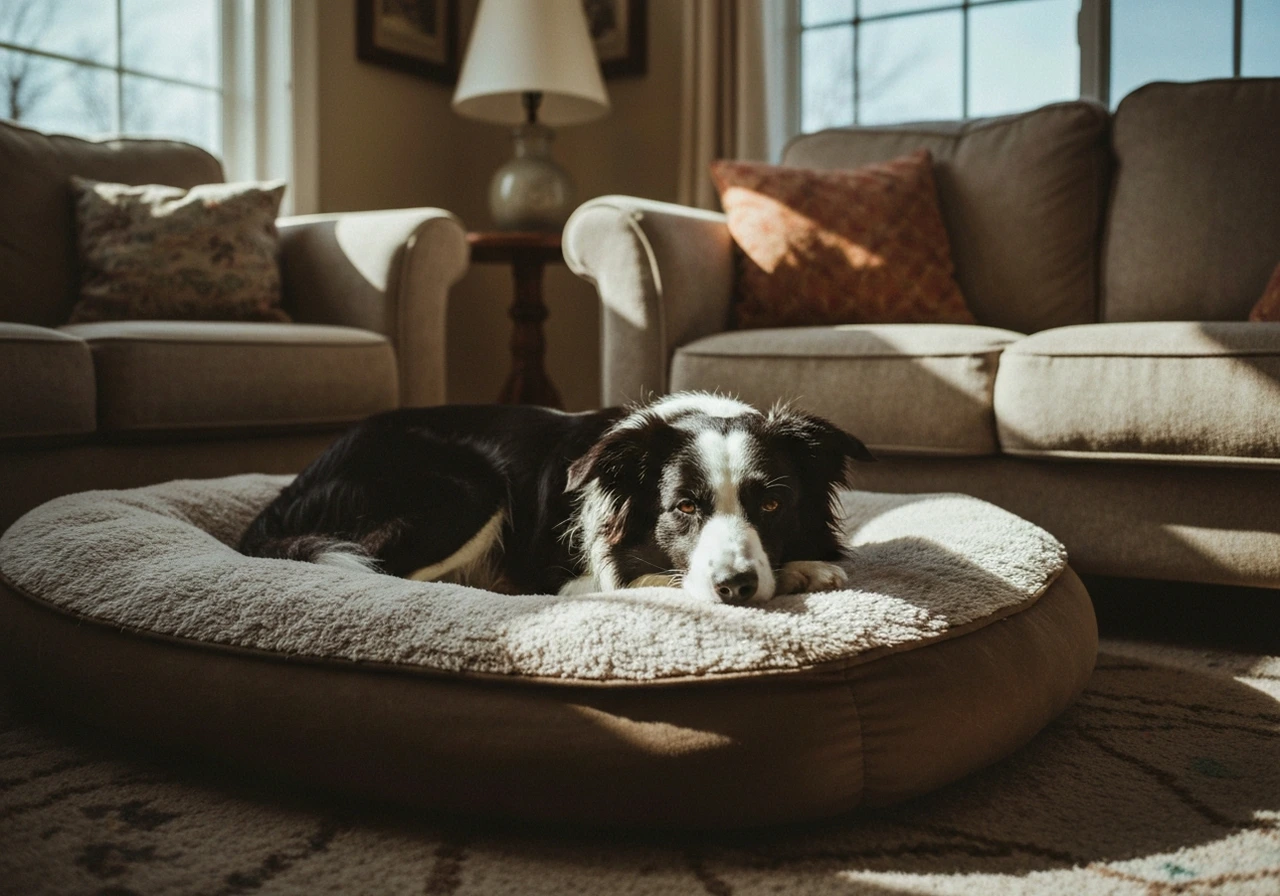
At Golden Years, we now test every single dog. It’s part of our intake protocol, right alongside vaccinations and health screening. The test results go into the dog’s file and are shared with the adopting family. No exceptions.
If you’re adopting a herding breed from a rescue that doesn’t test, ask them to add it to their protocol. If they won’t, get your dog tested yourself the moment they come home. Don’t wait for the first vet visit. Order the kit in advance so it’s ready when your new family member arrives.
The Cost Argument
I sometimes hear people say MDR1 testing is “an unnecessary expense.” Let me put that in perspective.
An MDR1 test costs $75-$150.
An emergency vet visit for drug toxicity costs $2,000-$10,000 or more. That’s if your dog survives.
If your dog doesn’t survive, the cost is immeasurable. Ask any family on our community stories page. Ask them what they’d pay to have their dog back. Ask them if $75 seems like a lot of money now.
I spent more on Cooper’s emergency treatment in one night than I would have spent on MDR1 tests for every dog who’s ever come through my rescue. That math doesn’t lie. And it doesn’t account for the cost of grief, guilt, and a loss that never fully heals.
Testing for Breeders
If you’re a breeder of any herding breed, MDR1 testing isn’t optional. It’s ethical. It’s responsible. It’s the bare minimum.
Every breeding dog should be tested. Results should be shared openly with puppy buyers. Breeding decisions should factor in MDR1 status - not necessarily to eliminate the mutation from the gene pool (which would dramatically narrow the breeding population), but to ensure every puppy buyer knows their dog’s status from day one. For detailed guidance on how MDR1 genetics work in breeding programs and what different pairings produce, MDR1 Gene Guide offers an excellent breakdown for breeders.
A responsible breeder provides MDR1 results with every puppy. If your breeder doesn’t, ask why. If they don’t have a good answer, find a different breeder.
The Bigger Picture
MDR1 testing is one of the simplest, most cost-effective ways to prevent tragedy in herding breeds. The test exists. It’s accurate. It’s affordable. It’s widely available. There is no excuse for not testing.
And yet, most herding breed owners have never heard of it. Most vets don’t routinely recommend it. Most rescue organizations don’t include it in their protocols. Most breeders don’t share results.
This is the gap we’re trying to close. One family at a time. One dog at a time. One $75 test at a time.
If you’ve read this far, you know enough to act. Order the test. Get the results. Tell your vet. Tell your friends. Tell everyone you know who has a herding breed.
Cooper didn’t have to die. Neither does your dog.
Have questions about MDR1 testing? Need help interpreting your results? Contact us. We’re not veterinarians, but we can point you in the right direction and share what we’ve learned from years of living with this issue.