
When the Emergency Is Over
You’re home. The emergency vet visit is behind you. Your dog is alive, and you’re sitting with the particular exhaustion that comes after sustained terror - the kind that settles into your bones after 48 or 72 hours of not knowing if they were going to make it.
This is the moment that gets overlooked in most MDR1 guides. We talk about prevention, testing, emergency response. What happens after the emergency - the recovery phase, the reporting, the emotional processing, the decisions about veterinary care going forward - often gets lost.
But what happens in the days and weeks after a reaction matters enormously. It matters for your dog’s recovery. It matters for the other families who come after you. And it matters for rebuilding a relationship with veterinary care that may feel fractured right now.
The Medical Recovery Phase
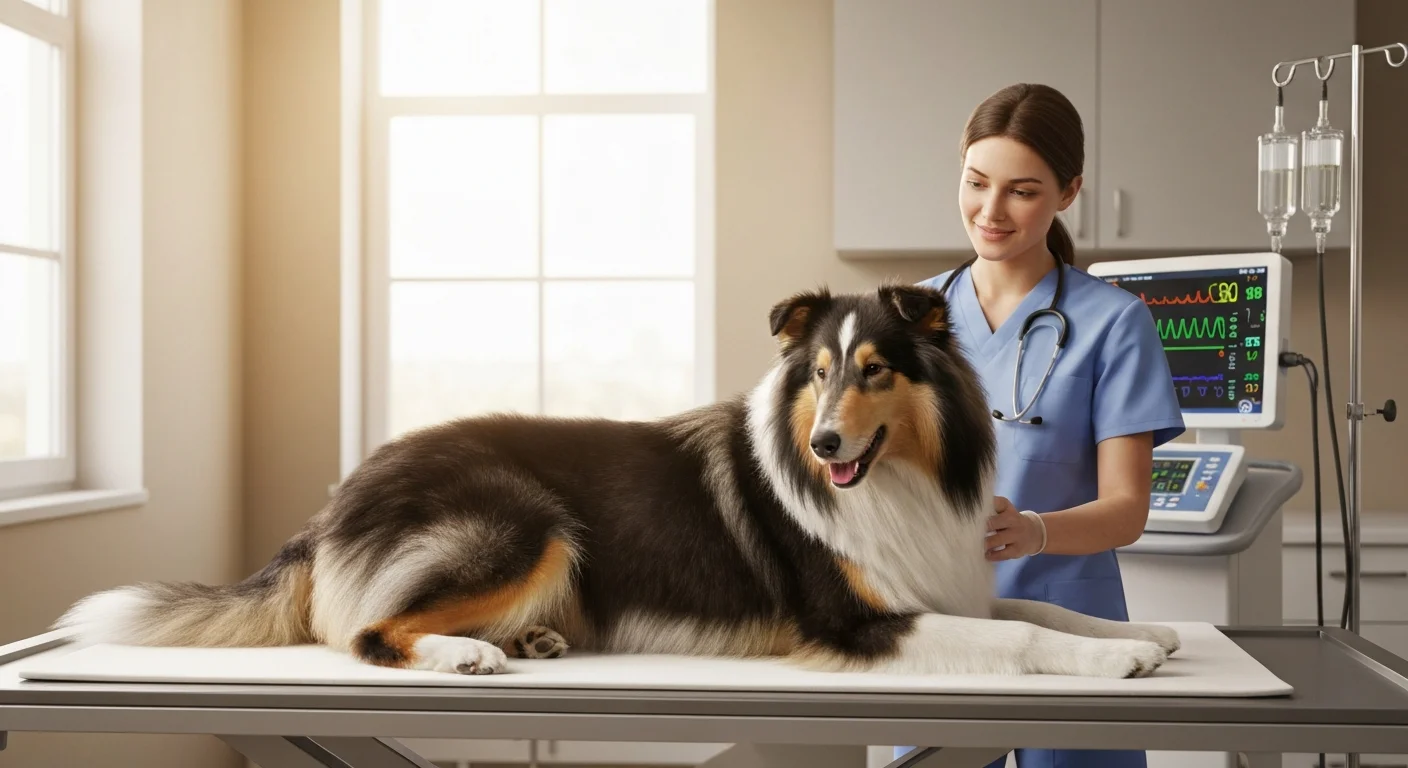
Drug toxicity doesn’t end when your dog leaves the emergency clinic. Recovery can take days to weeks depending on the drug involved, the dose, and your dog’s MDR1 genotype.
What to Monitor at Home
For the first two weeks after a drug reaction, watch for:
Neurological residuals: Some dogs who survive severe drug toxicity have lingering neurological effects - mild balance issues, occasional stumbling, periodic disorientation. These often resolve over days to weeks. If they’re not improving or are getting worse, call your vet.
GI symptoms: Nausea, reduced appetite, vomiting, and diarrhea can persist for days after the toxic drug has cleared the system. Keep a simple food and elimination log.
Behavioral changes: Some dogs are subdued or anxious after a traumatic medical experience. This is partly physical and partly the aftermath of what their body went through. Patience and calm routine help.
Eye changes: Pupil abnormalities, difficulty tracking, apparent visual problems can occur after neurological drug toxicity. These usually resolve but should be documented and reported to your vet.
The Follow-Up Appointment
Within 48-72 hours of hospital discharge, schedule a follow-up with your regular vet. This visit should include:
- A blood panel to check kidney and liver function (which may be stressed after the event)
- A neurological exam to establish a baseline for tracking recovery
- A clear plan for monitoring: what to watch for, what symptoms warrant an emergency call, what’s within normal recovery range
- Documentation: the drug involved, the dose, the timeline, the symptoms, the treatment received, and the outcome should all be in the permanent record
Reporting the Reaction: Why It Matters Beyond Your Dog
When your dog has a drug reaction, you have both the right and the responsibility to report it. This reporting isn’t just administrative - it’s how the pharmacovigilance system that protects all dogs actually works.
Report to the FDA
The FDA Center for Veterinary Medicine maintains a reporting system for adverse drug reactions in animals. Reporting takes about 15 minutes and can be done online at the FDA’s Safety Reporting Portal.
Why this matters: FDA adverse event reports influence drug labeling, warning language, and in some cases, formulary decisions. A drug that shows a pattern of adverse events in MDR1-affected herding breeds may get updated labeling that specifically mentions the risk. That labeling change may be the thing that warns another family before something goes wrong.
Your dog’s reaction is data. In the right database, it might save another dog.
Report to the Drug Manufacturer
Every prescription and OTC medication has a manufacturer with an adverse event reporting hotline. The number is typically on the product label or the manufacturer’s website.
Manufacturers are required to submit adverse event reports to the FDA, and they track patterns in their own data. Reporting directly to the manufacturer ensures the event enters their internal tracking, which feeds into their ongoing safety monitoring.
Report to the Prescribing Vet
If the drug was prescribed by a veterinarian, they need to know what happened. Not to assign blame - but because veterinarians learn from outcomes. A vet who knows that their Collie patient had a severe reaction to a specific drug at a specific dose will think differently about that drug in future herding breed patients.
This conversation may feel uncomfortable if there’s any sense of anger about the event. But it’s worth having. Your goal in this conversation isn’t to get an apology. It’s to make sure that the information transfers and that future patients benefit.
Navigating Your Feelings About Your Vet
After a drug reaction, your feelings about the vet who prescribed the drug - or the vet who treated your dog in the emergency - may be complicated. Anger, gratitude, loss of trust, and sometimes all three at once.
Some families need to find a new veterinary relationship after an incident like this. That’s a legitimate choice, and there’s no obligation to continue a relationship that feels unsafe or that erodes your ability to advocate for your dog. If the prescribing vet was dismissive of MDR1 information, or if there were red flags that you now see clearly in retrospect, finding a practice with stronger MDR1 awareness is entirely reasonable.
But it’s also worth being honest about what happened. In many cases, drug reactions in herding breeds occur because:
- The dog wasn’t tested
- The MDR1 status wasn’t in the file
- The vet wasn’t specifically informed at that visit
None of these are necessarily the vet’s fault alone. They may be a shared failure. They may be no one’s fault and simply the result of a knowledge gap that everyone in the MDR1 community is working to close.
If your dog survived and you still trust the vet, consider having a direct conversation: “What happened tells us that MDR1 needs to be at the front of every visit, not something we assume is being tracked. Here’s what I’d like to change going forward.”
That conversation, done constructively, often produces the most prepared and MDR1-aware vet relationship you’ll ever have.
Getting Your Dog Tested If You Haven’t Yet
If the reaction happened before your dog was tested - if you’re one of the families who found out about MDR1 the hard way - get the test done now. Not because the result will change what happened, but because it gives you specific, documented information about the exact risk profile your dog carries. That information belongs in the file, in writing, permanently.
Our MDR1 testing guide explains every testing option, including which tests are available through Washington State University, Embark, and Wisdom Panel, and how to interpret the genotype results.
Rebuilding Safety: The New Protocols
After an adverse drug event, it’s tempting to either become so anxious about medications that routine care becomes impossible, or to adopt a fatalistic “well, now we know” attitude and not actually change anything structural.
The right path is between those two extremes: specific, documented changes to how your dog’s medical care is managed, that are proportionate to the actual risk without making every vet visit a crisis.
Here’s what that looks like in practice:
New card in dog’s file. Every vet who sees your dog needs to see MDR1 status prominently in the chart. Not buried in notes. Ask for it to be flagged or highlighted.
Verbal confirmation at every visit. Even at routine checkups, say it out loud: “MDR1 is in the file, and we need to review any prescriptions against that.” Do this every time.
Review the full danger list. If the reaction involved a drug you didn’t know was on the MDR1 list, take time now to learn the complete list. Our vet visit checklist and safer alternatives guide cover the major risks and available alternatives.
Brief everyone in the dog’s life. Partner, parents, dog sitter - everyone who might find themselves at a vet with your dog needs the information. Our guide to explaining MDR1 to family and caregivers walks through how to have those conversations.
Sharing Your Story
The families who share their stories in our community do something important: they make it impossible for the next family to say “I never heard of MDR1.” Every account of a reaction - what the drug was, what happened, how your dog recovered or didn’t - gives the next person navigating the same situation something real to hold onto.
You don’t have to share immediately. Some families share years after an event, when the grief has settled enough to write clearly. Some share right away, needing to transform pain into purpose. Some share anonymously. Some share in full detail.
If you’re ready, reach out. Your dog’s story may be the thing that gets the next family to test before the prescription is written, not after.
If your dog recently survived a drug reaction and you have questions about recovery, reporting, or rebuilding veterinary care protocols, please contact us. You don’t have to navigate this alone, and this community exists precisely for these moments.