
Dogs and cats do not cool themselves the way we do. They have very few functional sweat glands on the body, so most heat leaves through the paw pads and through rapid breathing, with the coat and behaviour doing the rest. If you are comparing that with the human sweating and hyperhidrosis you looked up, the difference matters: a dog that is overheating is not simply a dog that is sweating more.
Where does a dog or cat actually lose heat?
In dogs, the main route is the respiratory tract. Air moved quickly across the moist surfaces of the nose, mouth and throat carries heat away, which is why a hot dog pants with a wide open mouth and a long, flat tongue. The tongue and the lining of the mouth are richly supplied with blood, and the moving air cools that blood before it returns to the body core. This is efficient, but it depends on the air being cooler than the dog and on the dog being able to keep breathing hard without obstruction.
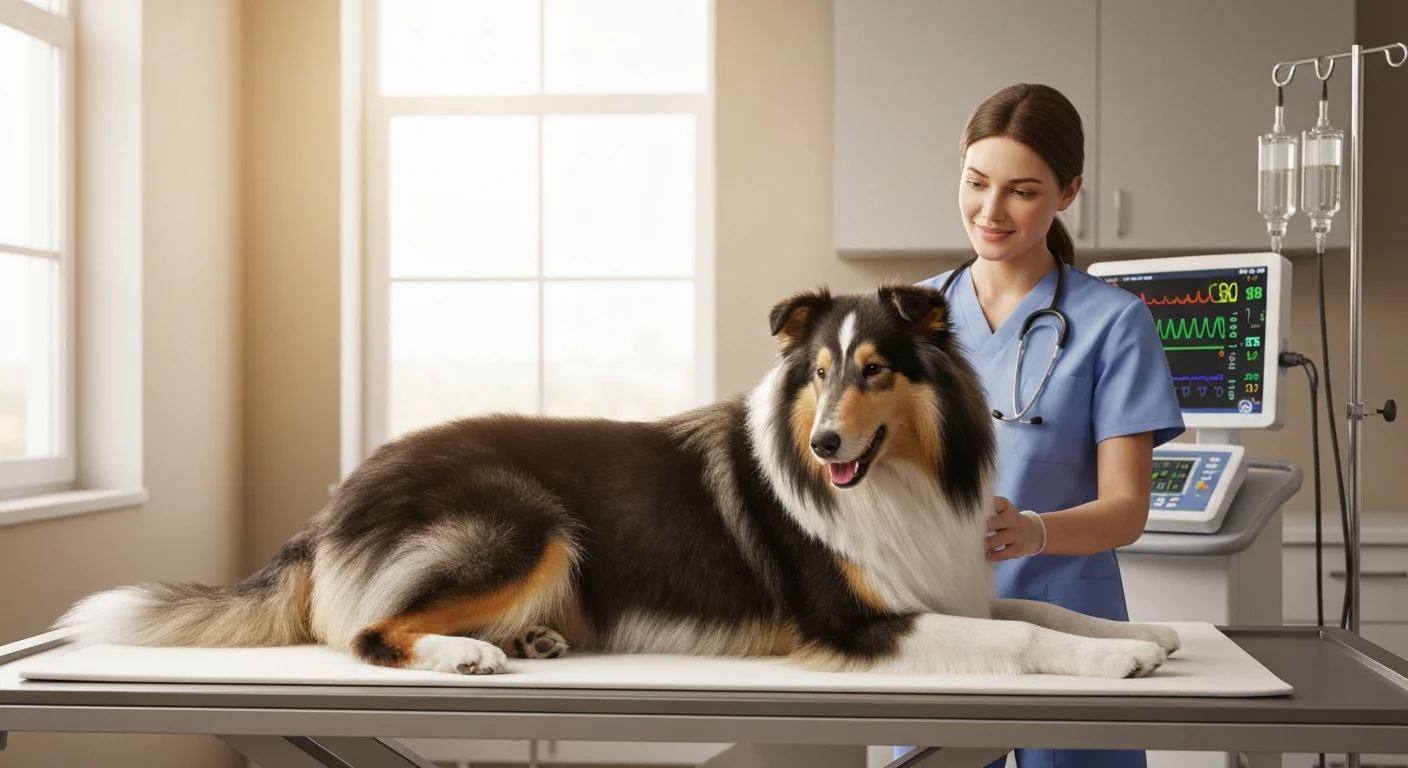
The second route is the paw pads. Dogs and cats have sweat glands in the pads of the feet, and you may see small damp paw prints on a hard floor or a tile after a warm walk. The surface area is small, so paw sweating contributes far less than panting, but it is real and it is the closest thing a dog has to the human sweat response.
The third route is the coat and the skin. Fur insulates in both directions: it slows heat gain from a hot environment and it slows heat loss when the dog is already warm. A thick double coat, a dark coat and a coat that is matted all work against cooling. Air trapped in a well-groomed coat can help, but a coat that is packed down or dirty loses that benefit. Cats use the same basic routes, with more reliance on grooming and on finding a cool surface, and they are often less obvious about being too warm.
Behaviour is the fourth route. Dogs and cats seek shade, stretch out on cool tiles, reduce activity and change posture. A dog that suddenly stops running on a warm day and lies flat is doing what it can. That is a signal, not laziness.
Why panting is not the same as sweating
Human sweating covers a large skin surface and cools the blood in the skin directly. Panting cools blood at the mouth and upper airway, and it also changes the dog’s breathing pattern. The trade-off is water loss and a lot of work for the muscles of breathing. A panting dog is losing fluid from the respiratory tract, and on a hot day that fluid has to be replaced.
This is why heat problems in dogs can move quickly. A dog can be panting normally at one moment and be in serious trouble not long after, especially if the air is humid, if the dog is brachycephalic (flat-faced), if the dog is very old or very young, or if the dog has a heart or airway condition. Humid air holds the heat that the dog is trying to dump, so panting becomes less effective exactly when the dog needs it most.
Cats are different again. A cat that is too warm may pant, but more often it will lie stretched out, breathe faster with the mouth closed, seek a cool sink or floor, and groom itself. Heavy open-mouth panting in a cat is a reason to call a veterinarian, not a reason to wait.
What does the MDR1 mutation change about heat and drugs?
The MDR1 mutation, also called ABCB1, affects a protein that normally pumps certain drugs out of the brain. Dogs with two copies of the mutation, often called mutant/mutant, are at higher risk of severe neurological reactions to a list of common medications, including some antiparasitics, some anti-nausea drugs and some sedatives. That risk is about drug handling, not about sweating, but the two topics meet in summer.
If your dog is on a medication that is risky for MDR1 dogs, a hot day is not the moment to change the dose on your own. A dog that is panting heavily, vomiting, wobbling or behaving oddly needs a veterinarian. Do not add a human antiperspirant, powder or any other product to a dog’s coat or paws to reduce dampness. Paw sweating is normal, and blocking it does not help cooling. If you have a prescription question, call the clinic that knows your dog’s MDR1 status.
How do you help a dog or cat stay cool safely?
The practical steps are simple and they do not involve medication decisions. Provide shade and cool water at all times. Walk in the early morning or late evening, and test the pavement with the back of your hand: if it is too hot for you, it is too hot for paws. Never leave a dog in a parked car, even with the windows down. Offer a cool, damp towel to lie on, and let the dog choose whether to use it. A shallow paddling pool or a hose on the legs and belly can help, but do not force a nervous dog into water.
For flat-faced dogs, overweight dogs, older dogs and dogs with heart or airway disease, shorten the walk and watch for the first signs of trouble. For cats, keep water bowls in several places, offer a cool tile or a shaded spot, and never assume a cat will move itself out of the sun.
Grooming matters. A matted coat traps heat and holds moisture against the skin, so regular brushing helps. Do not shave a double-coated dog down to the skin without asking your veterinarian: the coat also protects against sunburn and heat gain. Ask the clinic what is appropriate for your dog’s coat type.
When is panting an emergency?
Call a veterinarian immediately if a dog is panting hard and cannot settle, has a bright red or pale gum colour, is vomiting or has diarrhoea, is wobbling, seems confused, collapses or has a body temperature that you have been told is dangerously high. These are signs of heat illness, and they can worsen fast. Cool the dog with room-temperature water on the legs, belly and paws while you call, and do not use ice-cold water or try to make the dog drink large amounts at once.
For a cat, open-mouth panting, drooling, a distressed expression or collapse are all reasons to call. If your dog or cat is an MDR1 dog and is also on medication, tell the clinic the drug name and the dose when you call.
What this means for a family managing MDR1
Heat and drugs are two separate risks that both need a plan. Know your dog’s MDR1 result, keep the list of medications your veterinarian has approved, and treat hot weather as a reason to change the day, not the dose. Paw prints on the floor are normal. Heavy panting that does not stop is not. When in doubt, call the clinic.