
Why We Share
Every story on this page represents a dog who was loved. A family who trusted the system. A loss that didn’t have to happen.
These families have given permission to share their experiences because they believe - as I do - that every story told might prevent another tragedy. Read them. Remember them. Learn from them.
Luna
“Luna was only four years old. A beautiful blue merle Aussie with one blue eye and one brown. She got into some garbage at the park and had terrible diarrhea. The emergency vet gave us Imodium. She said it was safe, just the same stuff humans take. Luna started seizing six hours later. She was gone by morning.”
“I didn’t know what MDR1 was until I Googled ‘dog died from Imodium.’ I found this community and cried for three days. Luna wasn’t even the first dog that vet had lost this way. How is this still happening?”
— Amanda K., San Diego, California. Lost Luna on September 3, 2022. Loperamide (Imodium) is one of the most dangerous over-the-counter drugs for MDR1 dogs. Safer alternatives exist for treating diarrhea in herding breeds, including metronidazole and probiotics.
Max and Buddy
“We lost two brothers six months apart. Same litter. Same mutation. Max got Ivermectin for heartworm treatment at a higher dose than usual because of a suspected infection. Buddy got acepromazine for anxiety during a thunderstorm - the vet said it would help him relax. Both times we trusted our vet. Both times we lost our boys.”
“After Max, we didn’t know about MDR1. After Buddy, we learned. Too late. Now we have a new dog - a Collie mix from the shelter - and the first thing we did was get her tested. She’s mutant/mutant. The vet has it in huge letters in her file. We’ll never make this mistake again.”
— Robert and Maria S., Denver, Colorado. Lost Max on February 14, 2021. Lost Buddy on August 8, 2021.
Scout
“Scout was my heart dog. My soulmate in fur. Thirteen years together. He developed cancer and we started chemotherapy, hoping to give him a few more good months. The vincristine killed him faster than the cancer would have.”
“The oncologist was devastated. She said she’d never seen such a severe reaction. I found out later that she’d never heard of MDR1 testing before starting chemo on a herding breed. She tests now. Scout’s death changed her practice.”
— Jennifer M., Portland, Maine. Lost Scout on December 10, 2020.
Finn
“My husband is a paramedic. He’s saved hundreds of lives. He couldn’t save our Sheltie Finn. The guilt almost broke him. Finn got a routine dewormer at his annual checkup - the same one he’d gotten the year before without issue. But this time the dose was higher. This time it was too much for his MDR1 body to handle.”
“What kills me is that we asked the vet if it was safe. She said yes. She didn’t know to ask about MDR1. We didn’t know to tell her.”
— Sarah and Michael T., Austin, Texas. Lost Finn on April 22, 2023.
Lady
“Lady was my daughter’s dog. She got her for her eighth birthday. My daughter is twenty-three now and still can’t talk about what happened without crying. Lady got sick at a boarding facility while we were on vacation. The facility’s vet gave her something for nausea. We came home to a phone call saying she’d had a seizure and didn’t recover.”
“I will never forgive myself for not being there. For not being able to protect her. For not knowing that the medication that was supposed to help her would kill her instead.”
— Teresa W., Richmond, Virginia. Lost Lady on July 4, 2019.
Duke
“I’m a veterinarian. I’ve been practicing for twenty-two years. When Duke, my own Border Collie, had a reaction to medication I prescribed, it changed everything I thought I knew about my profession.”
“I learned about MDR1 in vet school. One lecture. One test question. Then I forgot about it for two decades. Now I test every single herding breed that walks through my door. I’ve had clients get annoyed at the ’extra expense.’ I show them Duke’s picture. I tell them his story. No one has complained since.”
— Dr. Michael R., DVM, Minneapolis, Minnesota. Lost Duke on March 15, 2018.
Rosie
“Rosie was twelve when she passed, but she should have had more time. She was healthy, active, still herding the cats around the house every morning. The vet gave her a sedative for a dental cleaning. She never woke up.”
“The hardest part was telling my grandchildren. They’d grown up with Rosie. They thought she went to sleep at the vet and just… didn’t wake up. They’re teenagers now and they still ask why. I still don’t have a good answer.”
— Margaret L., Boise, Idaho. Lost Rosie on November 28, 2021.
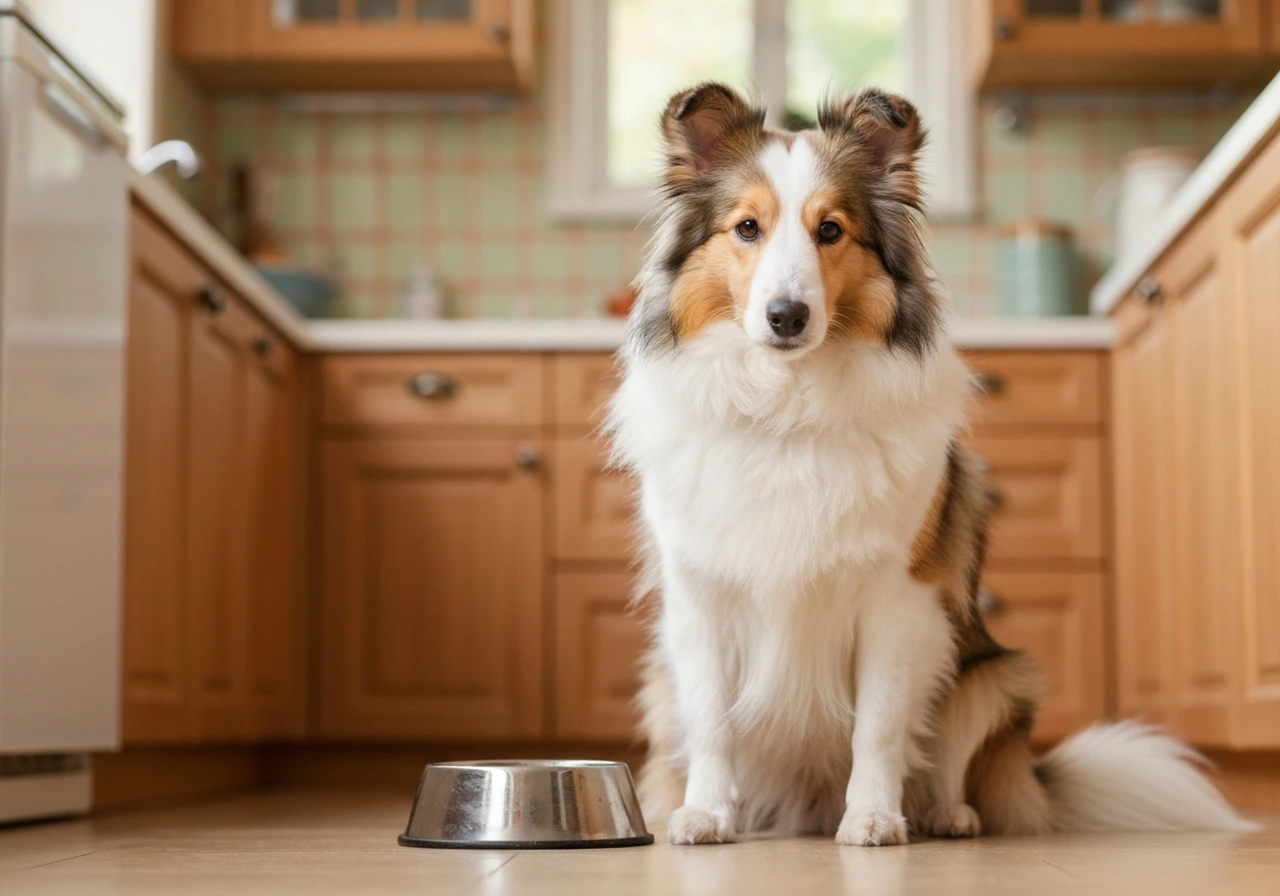
Bear
“Bear was a rescue. Part Aussie, part who-knows-what. The shelter estimated he was around two years old. He’d been with us for three months when he got into a bag of prescription medication that had fallen off the counter. The emergency vet treated him aggressively, but one of the drugs they used to stabilize him was on the MDR1 danger list.”
“We lost him while trying to save him. The irony still makes me sick.”
— David and Christine H., Phoenix, Arizona. Lost Bear on January 7, 2024.
Sadie
“Sadie came to us through a Collie rescue when she was nine. Her original family couldn’t care for her anymore. We promised them we’d give her the best last years possible. She was with us for fourteen months before a vet visit ended everything.”
“The rescue had warned us about drug sensitivities but didn’t mention specific medications. We didn’t know to warn the vet. She was prescribed something ‘routine’ for an ear infection. I still can’t say the name of the drug without feeling physically ill.”
— Patricia and John D., Nashville, Tennessee. Lost Sadie on May 18, 2022.
Whiskey
“I named him Whiskey because of his golden-brown coloring. An English Shepherd from a working farm in Vermont. The smartest dog I’ve ever known. He understood complete sentences. He could open doors. He knew which of my friends he could trust and which ones to watch.”
“He didn’t understand why I was crying as I held him while the toxicity took over. He just looked at me with those intelligent eyes like he was trying to figure out how to fix it. He couldn’t fix it. I couldn’t fix it. Nobody could.”
— Thomas B., Burlington, Vermont. Lost Whiskey on February 3, 2020.
Bella
“We had Bella tested for MDR1 when she was a puppy. The vet said she was normal/mutant - one copy of the mutation. We thought that meant she was safe. What we didn’t understand is that even one copy means increased sensitivity. The doses that killed her would have been fine for a normal dog. They weren’t fine for her.”
“Please, if your dog has even ONE copy, treat them as if they have two. The risk isn’t worth it.”
— Karen and Steve M., Chicago, Illinois. Lost Bella on October 12, 2023.
Tucker
“Tucker was my service dog. He helped me manage PTSD from my time in the military. He could sense a panic attack coming before I could. He saved my life more times than I can count.”
“Then I couldn’t save his. A routine vet visit. A common medication. Three days of watching him deteriorate while the vets tried everything. I’ve seen combat. I’ve watched friends die. Nothing prepared me for losing Tucker.”
— James P., U.S. Army Veteran, Dallas, Texas. Lost Tucker on August 29, 2021.
Molly
“Molly was sixteen weeks old. We’d had her for two weeks. She’d only been to the vet twice - once for her initial checkup and once for the visit that killed her. She had a minor skin irritation. The vet prescribed something to help. Our puppy, our brand new baby, was gone within 72 hours.”
“We thought we had years ahead of us. We had days.”
— Michelle and Ryan G., Columbus, Ohio. Lost Molly on December 24, 2022.
Rex
“My family has had Shelties for three generations. My grandmother had them. My mother had them. I grew up with them. We thought we knew everything about the breed.”
“Rex was the fourth Sheltie I’d owned as an adult. The first three lived long, healthy lives. Rex was the first one I lost to MDR1. He was also the first one I’d ever had tested - we did it AFTER he died, to try to understand what happened. Now we test before anything else.”
— Elizabeth R., Atlanta, Georgia. Lost Rex on June 6, 2019.
Patches
“Patches was a senior when we adopted him. The shelter said he was about ten. We wanted to give an old dog a comfortable place to spend his last years. He ended up only getting eighteen months with us before a vet visit took him away.”
“People ask why we’d adopt a senior dog again after what happened. Because they deserve love too. Because not all vets make the same mistake. Because we learned from Patches’ death how to protect the ones who came after.”
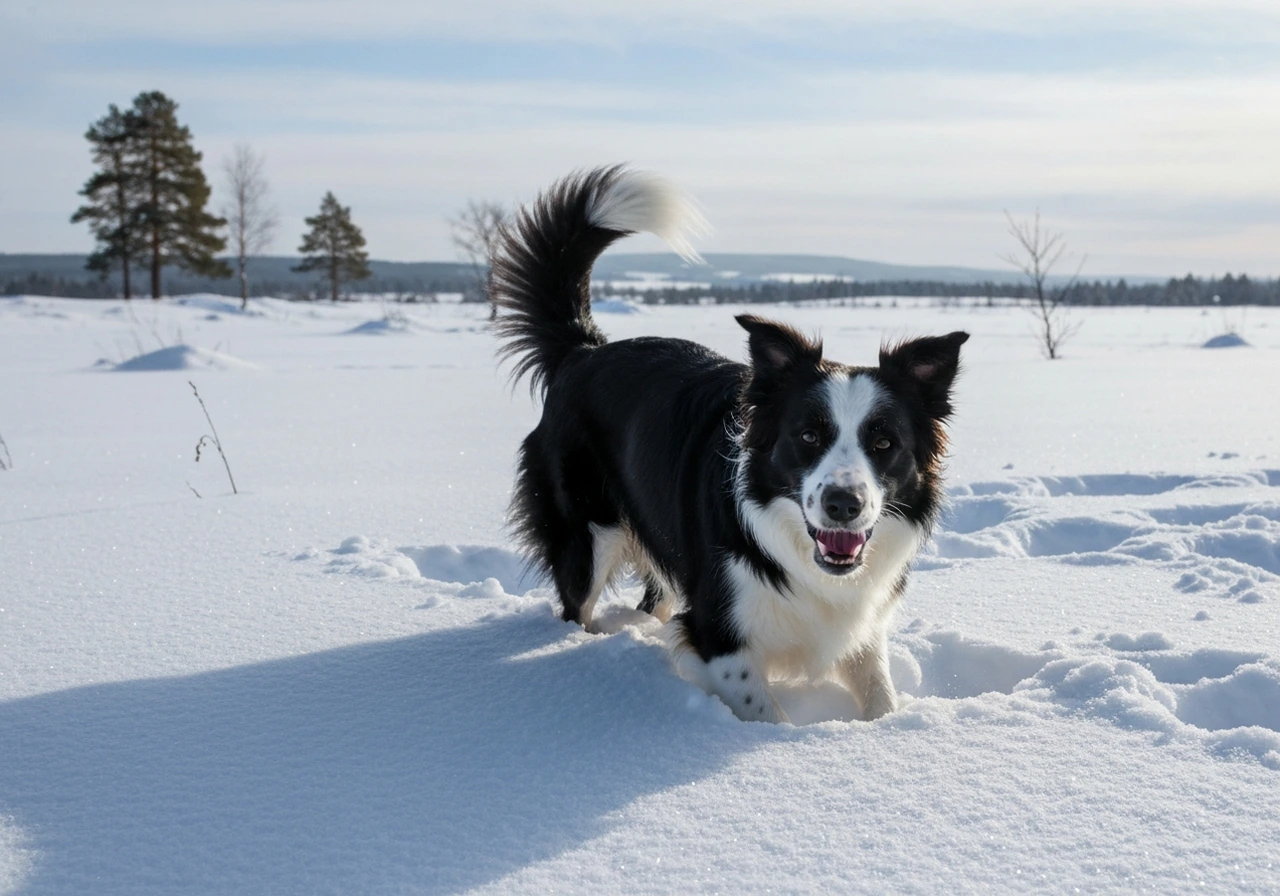
— Nancy and William F., Seattle, Washington. Lost Patches on April 4, 2021.
Cooper Jr.
“Yes, we named him after Diane’s Cooper. We adopted him from Golden Years Collie Rescue two years after Diane lost her boy. We knew about MDR1 because of Diane. We had Cooper Jr. tested immediately. He was mutant/mutant.”
“Cooper Jr. is eight years old now. He’s healthy, happy, and has never been given a single drug from the danger list. He’s alive because Diane turned her grief into a mission. Every time I look at him, I think about the other Cooper and what his loss made possible.”
— Andrea and Marcus K., Tampa, Florida. Cooper Jr. is alive and well.
Jasper
“I work at a veterinary clinic. I’ve seen dozens of dogs come through with drug reactions over the years. I thought I knew the risks. Then my own dog, my Rough Collie Jasper, had a reaction to a medication a colleague prescribed. I was standing right there when it happened.”
“You’d think working in the field would protect you. It doesn’t. The knowledge gap exists even among professionals. I’ve made it my mission to change that at my clinic.”
— Dr. Lauren M., Veterinary Technician, Sacramento, California. Lost Jasper on September 9, 2020.
Blue
“Blue was my son’s autism support dog. The bond they had was unlike anything I’ve ever seen. When Blue died, my son didn’t speak for three weeks. Not a single word. The grief was so deep it took his voice away.”
“Finding this community helped us both. Reading other people’s stories, understanding that we weren’t alone, that there was a reason this happened - it didn’t make the pain go away, but it made it bearable. Now my son wants to help other kids understand about MDR1. He’s turned his grief into purpose.”
— Denise T., Philadelphia, Pennsylvania. Lost Blue on November 15, 2022.
Gracie
“I’d never heard of MDR1 until I joined a Facebook group for Collie owners. Someone posted about it and I immediately scheduled a test for Gracie. She was mutant/mutant. I updated her vet records the same day.”
“Three months later, she needed emergency surgery for a bowel obstruction. The emergency vet pulled up her records and saw the MDR1 note. She adjusted everything - the sedation, the pain management, everything. Gracie recovered fully.”
“She’s here today because of a random Facebook post. Think about how many dogs could be saved if this information was everywhere.”
— Carol N., San Francisco, California. Gracie is alive and healthy.
Gus
“Gus lived to be fifteen. A good, long life for a Border Collie. But he should have had longer. His last year was complicated by a drug reaction that damaged his liver - not fatal, but it changed his quality of life. Looking back, I realize it was probably an MDR1 reaction that was caught in time.”
“My new Border Collie, Gus II, was tested at eight weeks old. He’s normal/normal. But I still tell every vet, every groomer, every boarding facility about MDR1. Because you never know.”
— Richard B., Boston, Massachusetts. Lost Gus on March 20, 2019. Gus II is thriving.
What These Stories Tell Us
Twenty families. Twenty dogs. Twenty heartbreaks that didn’t have to happen.
The pattern is clear:
- Most families had never heard of MDR1
- Most vets didn’t think to warn them or test first
- Most reactions happened with commonly prescribed medications — particularly ivermectin, which appears in story after story
- Most losses could have been prevented with a simple genetic test
- In the cases where dogs survived, fast action during the first 60 minutes of the reaction was almost always the deciding factor
Add Your Story
If you’ve lost a dog to a drug reaction, or if you’ve had a close call, your story could save someone else’s best friend. Contact us to share your experience.
And if you’re reading this and your dog hasn’t been tested yet - please, don’t wait. Don’t become one of these stories. Don’t let your dog become a cautionary tale. Our MDR1 testing guide explains exactly how to get tested, what the results mean, and what to do next. You can also learn more at MDR1 Gene Guide.
Get tested through WSU’s veterinary pharmacology lab or another trusted provider. Stay informed. Spread the word. Our vet visit checklist provides practical tools you can use at every appointment, and our support resources can connect you with organizations and communities that understand.
In memory of all the dogs we’ve lost. We tell their stories so others may live.