Untreated wood and natural branches are generally safe for a parrot to chew, provided the wood has not been sprayed, stained, or pressure-treated and the branch comes from a tree that is not toxic to birds. Palm is also widely used in parrot toys and is considered safe to chew, though the type of palm and how it was grown matter. For hardware, stainless steel and nickel-plated metals are the usual safe choices, while zinc and lead must be avoided because birds are highly sensitive to heavy metals.
Are untreated wood and natural branches safe for my parrot’s toys?
Yes, with conditions. Untreated wood means no paint, no varnish, no stain, no preservative, and no glue residue. Natural branches should come from trees you can identify, and they should be free of pesticides and road dust. In practice, bird owners collect branches from apple, willow, birch, maple, and similar species, then scrub them and let them dry before offering them.
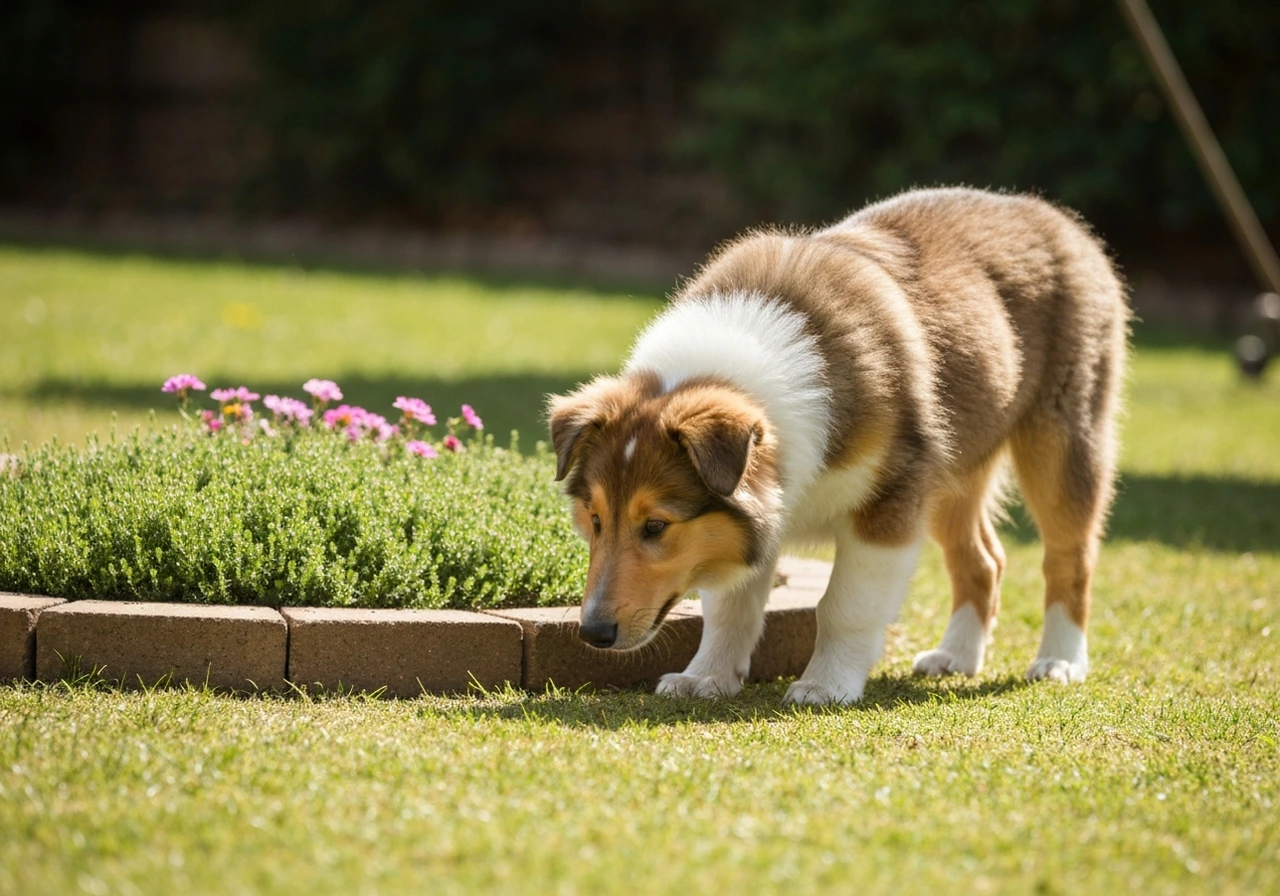
The same questions come up with dog chew toys, which is why many families read across species. A dog may be fine with a hardwood chew that a parrot would never touch, and a parrot may shred a soft branch that would splinter badly in a dog’s mouth. The material matters more than the animal. If you want a practical reference for how chew-safe materials are chosen and rotated, the guide at untreated wood and natural branches covers parrot toys in detail, and the logic transfers well to any pet that gnaws.
A few rules hold across species. Avoid wood from trees that are known to be toxic, such as yew, oleander, and cherry in some references. Avoid wood that has been kiln-dried with chemical additives. Avoid branches from roadsides or from trees that have been sprayed. If you cannot identify the tree, do not use the branch.
Is palm safe for parrots to chew?
Palm is safe for parrots to chew when it is the right kind of palm and has not been treated. Palm fronds, palm leaf strips, and palm nut shells appear in many commercial parrot toys because they are soft enough for small birds and fibrous enough to keep a bird busy. The main risk is not the palm itself but what has been applied to it: dyes, oils, or pesticides.
Some palms are used as food and toy material, and others are not. If you are buying a toy, look for a label that names the palm species or at least states that the material is natural and undyed. If you are collecting palm yourself, use only material you can identify and wash it thoroughly. Dried palm strips can be brittle, so check them for sharp edges before handing them to a bird.
For dogs, palm is less common as a chew, but the same principle applies: a natural plant material is only as safe as its source and its preparation. A palm leaf that has been sprayed for landscaping is not a chew toy.
Which metals are safe for parrot toy hardware?
Stainless steel is the safest common metal for parrot toy hardware. It does not rust easily, it does not flake, and it does not release zinc or lead in the amounts that harm birds. Nickel-plated steel is also widely used and is generally considered acceptable, though plating can wear over time and should be inspected.
Zinc is the metal to avoid. Galvanized hardware, which is coated with zinc, is a common cause of heavy metal poisoning in birds. Lead is also dangerous and can appear in cheap alloys, soldered joints, and some imported toys. Brass is a mix of copper and zinc, so it carries the same zinc concern.
For dogs, the metal question is different but related. A dog’s chew toy may have a metal ring, a chain, or a clip. Stainless steel is still the best choice. Zinc-coated hardware can wear down and be swallowed, and a dog that chews metal can damage its teeth. The hardware should be inspected regularly for cracks, sharp edges, and loose parts.
Rope, cotton, and sisal: what to check
Rope is a common component in both parrot toys and dog chews. Cotton rope and sisal rope are the usual materials. The safety issue is not the fiber itself but the length and the condition. A parrot can get a toe or a leg caught in a frayed loop, and a dog can swallow strands that then cause a blockage.
For parrots, short lengths of cotton or sisal rope are used for climbing and chewing. Loose threads should be trimmed, and any rope that has been chewed into a tangle should be replaced. For dogs, rope toys are popular for tug and fetch, but they should be retired once they start to unravel. Swallowed rope is a surgical problem, not a chew problem.
Dyes are another shared concern. Food-grade vegetable dyes are generally considered safer than unknown dyes. If a toy bleeds color when wet, that is a sign to be cautious. Natural, undyed materials are the simplest choice.
How to inspect and rotate chew materials
Inspection is the habit that prevents most problems. Check wood for splinters, cracks, and loose pieces. Check branches for mold or soft spots. Check metal hardware for rust, sharp edges, and loose connections. Check rope for fraying and for any loop large enough to catch a limb or a tooth.
Rotation helps too. A toy that sits in the cage or the toy bin for weeks can become boring, and a bored animal chews harder and more destructively. Rotating toys weekly, and storing them dry, keeps the material in better condition and keeps the animal interested. The same schedule works for dogs: a few toys out, the rest stored, and a quick inspection before anything goes back into the rotation.
Size matters as well. A toy that is too small can be swallowed. A toy that is too large may be ignored. For parrots, match the toy to the beak strength: a budgie and a macaw need very different wood densities. For dogs, match the chew to the dog’s size and chewing style, and replace it when it gets small enough to swallow.
When to call your veterinarian
Any decision about a specific material, a specific toy, or a specific animal belongs with your veterinarian. If you suspect your pet has swallowed a piece of wood, metal, or rope, or if you see vomiting, lethargy, loss of appetite, or changes in behavior after a chew session, contact your veterinarian promptly. Heavy metal poisoning in birds can be subtle at first, and early treatment matters.
This article is general information, not medical advice. Materials that are safe for one species may not be safe for another, and an animal with a known health condition may need different guidance. Your veterinarian can assess your pet’s individual risk and help you choose chew materials that fit.