
White shepherd genetics
White Shepherd Genetics explains the e/e genotype behind the white coat and reviews the breed's documented inherited conditions, including MDR1 drug sensitivity and degenerative myelopathy.
Real stories from families who've lost dogs to drug sensitivities. Community support, vet visit checklists, and the information we wish we'd had.
In March 2019, my beautiful Collie Cooper was given Ivermectin for a skin condition. The vet meant well. I trusted her completely. Neither of us knew that Cooper carried the MDR1 gene mutation that makes certain drugs deadly for Collies and other herding breeds.
Cooper was gone within 48 hours.
I spent months blaming myself. Why didn’t I know? Why didn’t the vet know? Why isn’t this common knowledge when it kills dogs every single day?
This isn’t a medical website run by scientists in white coats. This is a community of dog owners who’ve held their best friends as they slipped away, often because of a medication that should never have been prescribed.
We share our stories because each one might save a dog’s life. We share what we learned too late so you can learn it in time.
“I found this community after losing my Sheltie Bailey. Reading other families’ stories - knowing I wasn’t alone in my grief and guilt - that’s what got me through. Now I make sure every vet I see knows about MDR1 before they touch my dogs.” - Jennifer M., Michigan
Real stories from real families - No sugarcoating. No clinical detachment. Just honest accounts of what happened to our dogs and what we wish we’d known.
Practical tools - The vet visit checklist I wish I’d had. The questions to ask. The drugs to refuse.
Community support - Groups and resources where you can connect with others who understand exactly what you’re going through.
The information your vet might not have - We love our vets, but many don’t know about MDR1. That’s not their fault. It’s a gap in veterinary education we’re trying to help fill.
These are the medications that most commonly cause fatal reactions in MDR1-affected dogs:
There are many more. Before any medication is given to your Collie, Aussie, Sheltie, or other herding breed, ask: “Is this safe for MDR1 dogs?” For most of these dangerous drugs, safer alternatives are available - you just need to know what to ask for.
Most of us picked herding breeds because we wanted a working dog, and that instinct doesn’t retire when the job does. The retriever world runs on the same conviction - their dogs are judged on marks and blinds, the two retrieves that separate a dog who saw the fall from one who must trust its handler’s line. Different breeds, same belief that a purpose-bred dog deserves real work.
A simple cheek swab can tell you if your dog carries the MDR1 mutation. It costs less than one emergency vet visit. It takes five minutes. It could save your dog’s life. Our MDR1 testing guide covers everything from ordering a kit to understanding your results.
For detailed scientific information about MDR1 testing and the genetics behind this mutation, visit our partner site The Herding Gene for research-based guidance.
Every single one of us wishes we’d done it sooner.
Two resources our readers keep asking about: coat-color genetics in white shepherds, and safe merle pairings in the same herding breeds that carry the MDR1 mutation.
White Shepherd Genetics explains the e/e genotype behind the white coat and reviews the breed's documented inherited conditions, including MDR1 drug sensitivity and degenerative myelopathy.
Merle Breeding Safety details why merle-to-merle pairings produce double merle puppies and which tests prevent the eye and hearing damage in Australian Shepherds and other merle herding breeds.
When should you test a puppy for MDR1? What medications are most dangerous in the first year? How responsible breeders handle MDR1 disclosure.
When common medications are off the table, what can your vet prescribe instead? A practical guide to safer alternatives for herding breeds with MDR1 sensitivity.
A printable checklist of questions, actions, and information to bring to every veterinary appointment with your herding breed.
How a routine vet visit and a common medication took our beloved Collie. The story that started this community.
Health screening, behaviour reading and the first thirty days that decide whether a large adult dog settles into a family home.
How adult, paediatric and neonatal breathing circuits differ, why heated wires still collect condensation, and how a circle system clears carbon dioxide.
A practical look at untreated wood, natural branches, safe metals, and rope for pets that chew, from parrot toys to dog chews and the hardware that holds them
A calm three-week routine for a new dog or puppy: reward timing, short sessions, recall work, and medication safety woven into everyday life.
Dogs and cats cool through paw pads, panting and coat, not full-body sweat. A vet-led look at heat loss, MDR1 dogs and when to call the clinic.
How a boarding kennel, groomer or daycare can write an infection control plan, a customer notice and a fair staff sickness and return-to-work rule.
How to read an Australian breed profile when your dog carries the MDR1 mutation: kelpie, cattle dog and terrier, and what each asks of an owner.
How MDR1 dog owners can understand respiratory and anaesthesia devices, from breathing circuits to masks, when a dog needs oxygen or surgery.
A plain guide to medical imaging: what X-rays, CT, MRI and ultrasound show, who decides a scan happens, and how radiation dose is measured in the UK.
I started this community after losing my boy Cooper in 2019. He was given a medication that should never have been prescribed to a Collie. The vet didn't know. I didn't know. And Cooper paid the price.
This site exists because no family should have to go through what we went through. We share our stories, our grief, and most importantly, what we wish we had known.
Read Our StoryThese pages stay here because families return to them before appointments, during emergencies, and whenever a new medication raises a question. We review them as our shared understanding grows, so the practical guidance remains available when it matters.
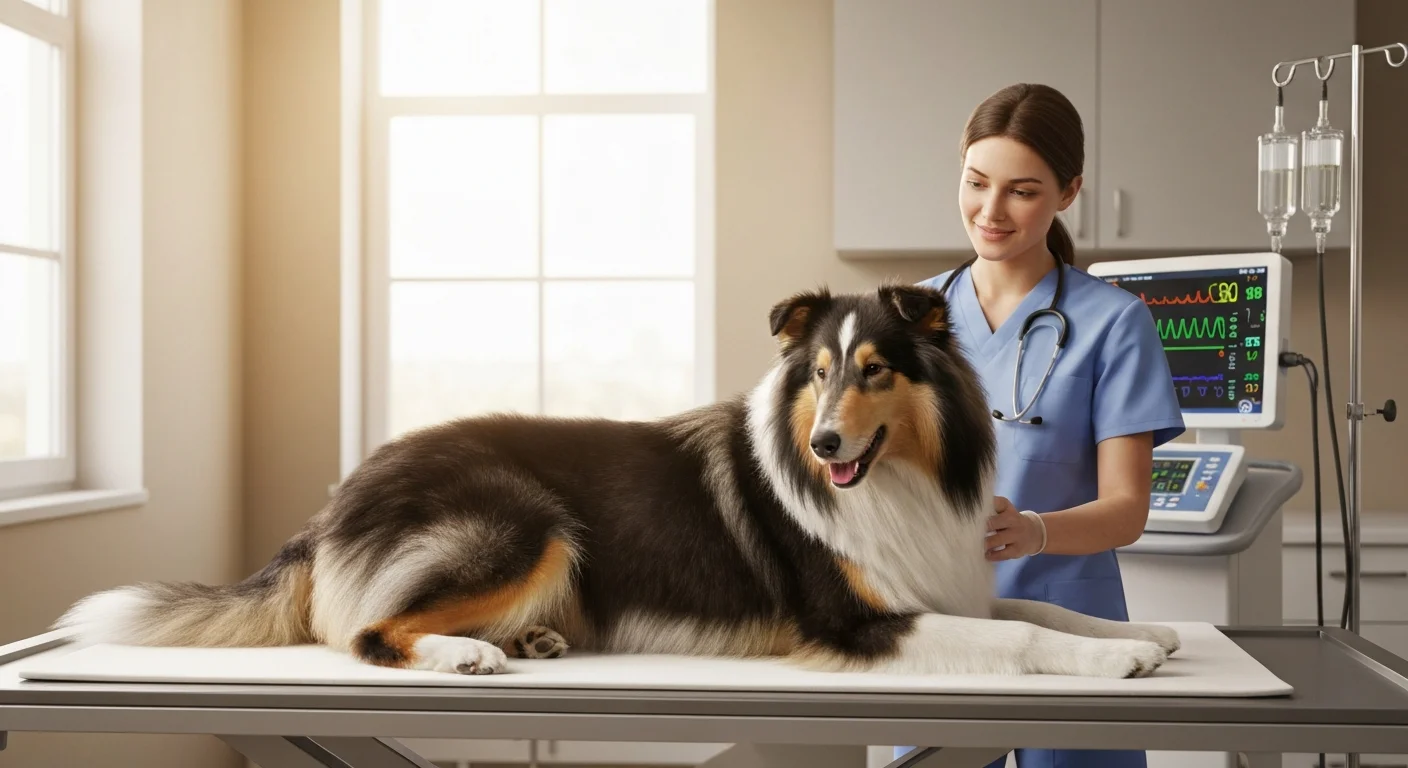
This emergency guide turns the first hour after suspected toxicity into clear actions, warning signs, and a focused handoff for the veterinary team.
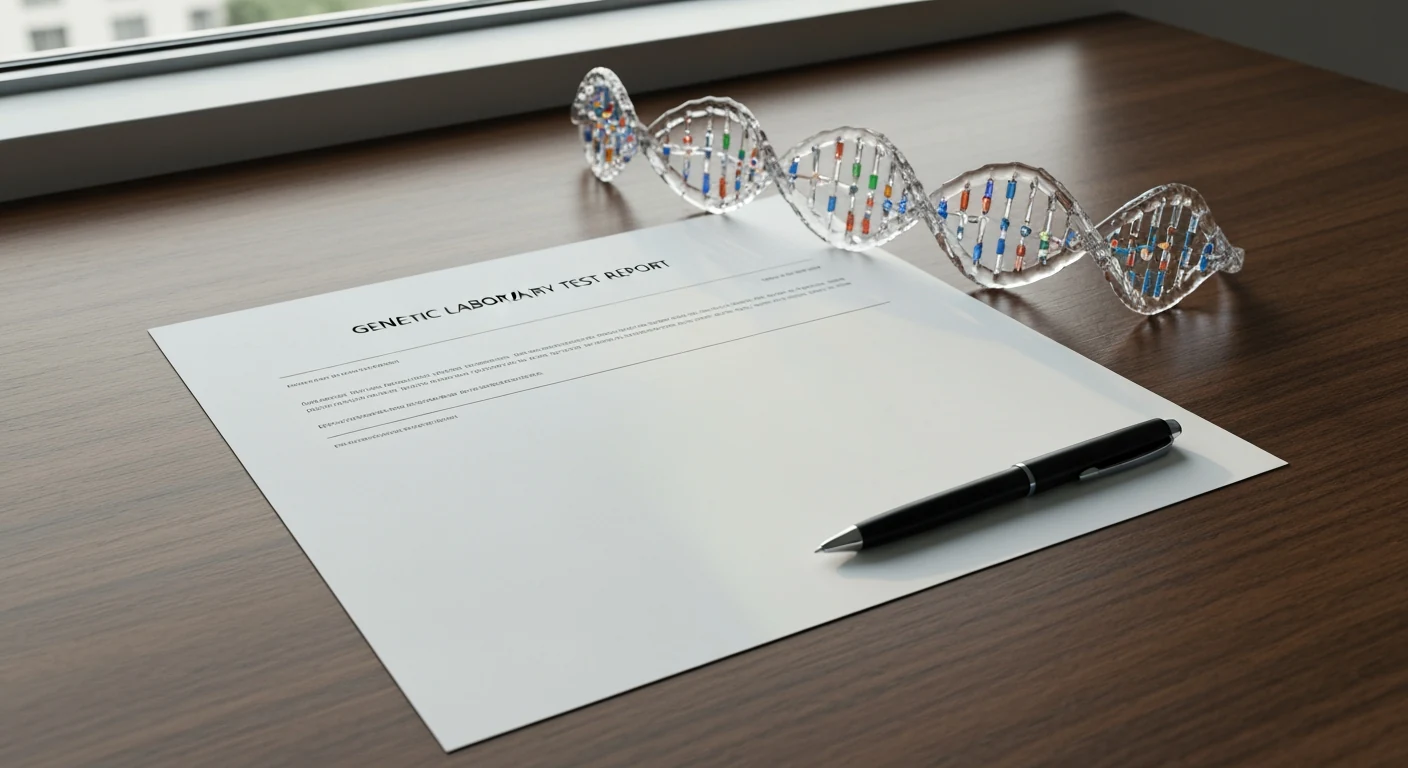
The testing guide explains where to order a cheek swab, how laboratories report the three genotypes, and what owners should do with the result.
This reference decodes normal, carrier, and mutant results, then connects each genotype to the medication conversations a veterinarian needs to have.
A plain-English reference sorts medications into avoid, reduce, and normal-dose groups, making the veterinary discussion calmer and easier to prepare.
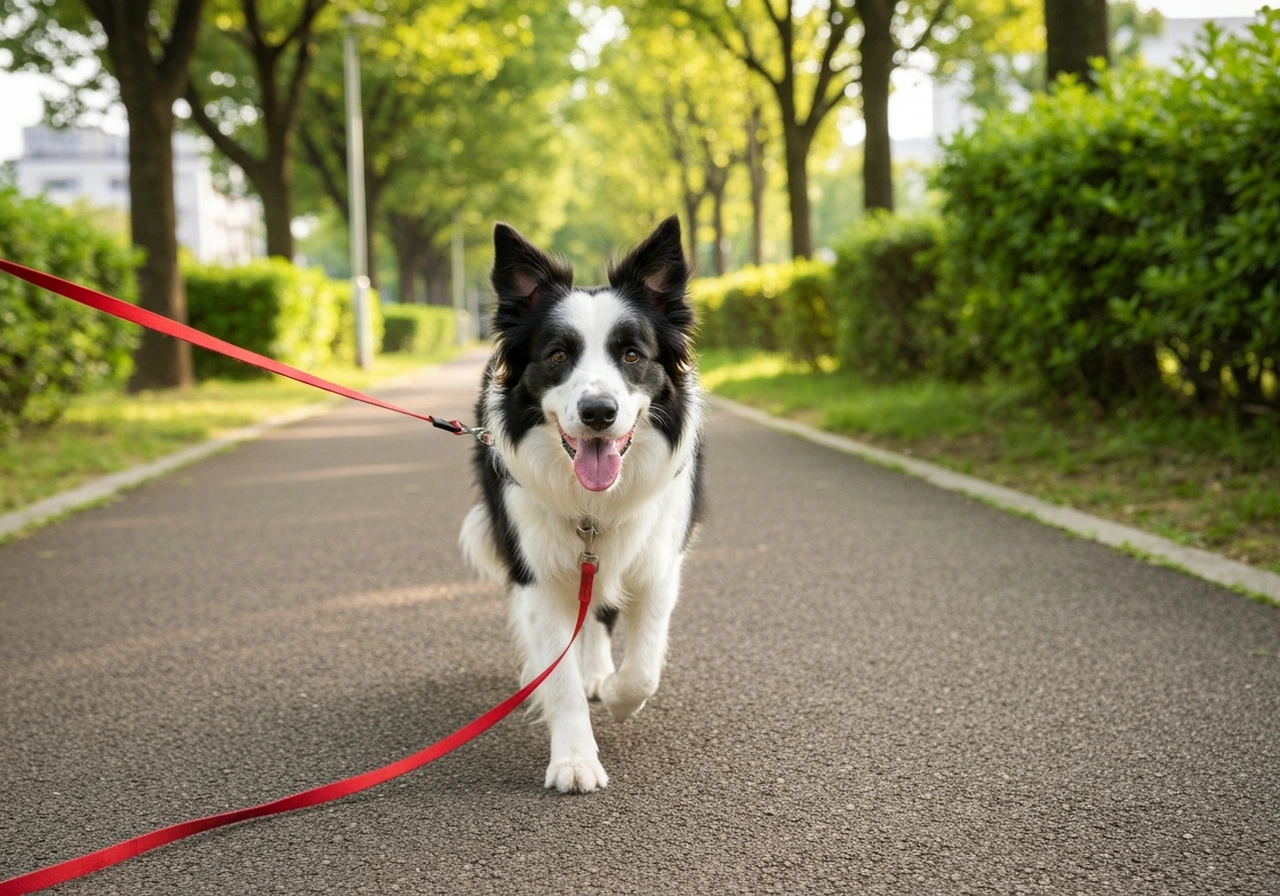
Print this preparation guide before an appointment, bring the relevant records, and use its questions to keep MDR1 status visible before treatment begins.
A few neighbouring reading rooms add useful context on herding-dog health, inherited eye conditions, and community broadcasting.
Shepherd Health Journal offers veterinary guidance for shepherd and herding-dog owners, including breed health, prevention, and everyday care.
Citizens Radio Review covers community radio, low-power FM rules, station building, radio history, podcasts, and emergency broadcasting.
Collie Eye Anomaly provides veterinary ophthalmology guidance on diagnosis, genetic testing, screening, and breeding decisions for affected herding breeds.